

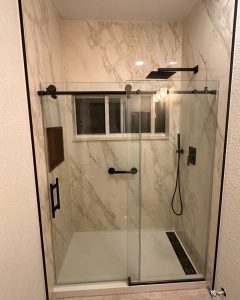
Choosing between a walk-in tub and a walk-in shower is one of the most important decisions homeowners face when planning a bathroom upgrade. Both options are designed to improve safety, comfort, and accessibility, but they serve different lifestyles and needs. Understanding the differences can help you invest in a solution that enhances daily living while adding long-term value to your home.
This guide breaks down everything you need to know about walk-in tub vs walk-in shower options so you can make a confident and informed choice.
Understanding the Purpose of Walk-In Tubs and Walk-In Showers
Before comparing features, it’s important to understand what each option is designed for.
A walk-in tub is built for deep soaking while prioritizing accessibility. It features a watertight door, allowing users to step in safely without climbing over a high tub wall. Many models include built-in seating, hydrotherapy jets, and temperature control systems, making them ideal for relaxation and therapeutic bathing.
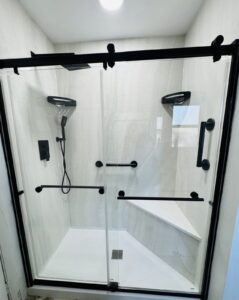
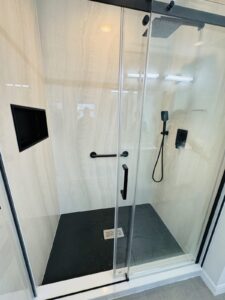
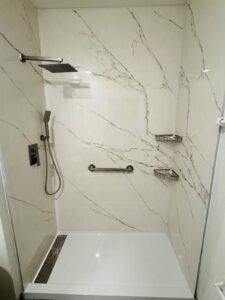
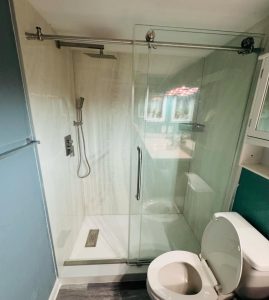
A walk-in shower, on the other hand, focuses on ease of access and open space. It eliminates barriers like high thresholds and often includes features such as grab bars, slip-resistant flooring, and handheld showerheads. Walk-in showers are widely preferred for their modern look and convenience.
While both improve bathroom safety, they cater to different daily routines and personal preferences.
Accessibility and Safety Considerations
Safety is one of the biggest reasons homeowners consider upgrading their bathroom.
Walk-in tubs are especially beneficial for individuals with limited mobility who prefer seated bathing. The built-in door and low step-in height significantly reduce the risk of slipping when entering or exiting. Once inside, users can safely soak without needing to stand, which is helpful for joint pain, arthritis, or recovery needs.
Walk-in showers also provide excellent accessibility, especially when designed as barrier-free or curbless installations. They allow users to enter directly without stepping over a ledge, making them ideal for wheelchair users or those who need assisted bathing. Unlike tubs, showers reduce time spent standing in wet areas, which can also minimize fall risks.
In the comparison of walk-in tub vs walk-in shower, both are strong safety upgrades, but showers generally offer more mobility freedom while tubs provide more seated support.
Comfort and Relaxation Experience
Comfort is another key factor that influences the decision.
Walk-in tubs are often considered the more luxurious option when it comes to relaxation. The ability to soak in warm water for extended periods can help relieve muscle tension, improve circulation, and reduce stress. Some models even include air jets or whirlpool systems that mimic spa-like experiences at home.
Walk-in showers, however, offer a different kind of comfort—efficiency and refreshment. They are ideal for quick, daily use and can be customized with rainfall showerheads, multiple spray settings, and built-in seating for added comfort. While they may not provide the same soaking experience, they deliver convenience and speed.
Ultimately, your preference depends on whether you value long therapeutic baths or quick, refreshing showers.
Space Requirements and Bathroom Layout
The size and layout of your bathroom can significantly influence your decision.
Walk-in tubs typically require more floor space and plumbing adjustments. They are deeper and bulkier, which means they may not fit well in smaller bathrooms without remodeling work. Installation may also involve reinforcing flooring due to the weight of the filled tub.
Walk-in showers are generally more flexible in terms of design. They can be customized to fit small, medium, or large bathrooms. Frameless glass enclosures and open layouts help create a spacious feel, even in compact areas. This makes them a popular choice for modern homes and renovations where maximizing space is a priority.
When evaluating walk-in tub vs walk-in shower options, bathroom size often becomes the deciding factor.
Maintenance and Cleaning Differences
Maintenance is another important consideration for homeowners who want a low-effort bathroom solution.
Walk-in tubs require regular cleaning of internal surfaces, jets (if installed), and door seals to prevent mold or buildup. Because they hold water for soaking, they also require proper draining and drying after each use.
Walk-in showers are generally easier to maintain. With fewer enclosed spaces and faster drainage, they are less prone to moisture buildup. Modern materials like large porcelain tiles and seamless glass also reduce grout lines, making cleaning quicker and simpler.
If ease of maintenance is a priority, walk-in showers often have the advantage.
Cost and Installation Factors
Budget plays a major role in choosing between these two options.
Walk-in tubs are usually more expensive due to their complex structure, plumbing requirements, and therapeutic features. Installation may also take longer and sometimes requires bathroom modifications.
Walk-in showers are often more cost-effective, especially for standard conversions. They offer flexibility in design and materials, allowing homeowners to control costs while still achieving a modern upgrade.
However, both options can increase home value when installed professionally, especially when they improve accessibility and aesthetics.
Which Option Adds More Home Value?
Both walk-in tubs and walk-in showers can increase property value, but in different ways.
Walk-in showers tend to appeal to a broader range of buyers due to their modern design and practicality. Real estate trends show that many homeowners prefer updated, open-concept bathrooms with easy access showers.
Walk-in tubs appeal to a more specific market, particularly aging homeowners or those seeking therapeutic benefits. While they may not appeal to every buyer, they can be a strong selling point for accessibility-focused homes.
In terms of resale appeal, walk-in showers generally have a slight edge, but the best choice depends on your target lifestyle needs.
Making the Right Choice for Your Home
When deciding between a walk-in tub vs walk-in shower, the best option depends on your personal priorities.
If you value relaxation, therapeutic soaking, and seated bathing, a walk-in tub may be the ideal solution. If you prefer modern design, space efficiency, and quick daily use, a walk-in shower is likely the better fit.
It’s also worth considering long-term needs. Many homeowners choose walk-in showers for flexibility, while others invest in walk-in tubs for aging-in-place comfort.
Conclusion
Upgrading your bathroom is more than just a design decision—it’s about improving safety, comfort, and daily convenience. Both walk-in tubs and walk-in showers offer unique benefits that cater to different lifestyles. By understanding their differences in space requirements, maintenance, comfort, and accessibility, you can confidently choose the option that best suits your home and future needs.
Whether you prioritize therapeutic bathing or modern efficiency, the right installation can transform your bathroom into a safer and more enjoyable space.
For expert guidance and professional installation, Next Level Shower & Bath LLC provides high-quality remodeling solutions designed to match your lifestyle and budget.
Ready to upgrade your bathroom with a safer and more stylish solution? Contact Next Level Shower & Bath LLC today for a free consultation and discover the perfect fit for your home.