


Quick answer: It depends on how many tubs your home has. If you have another tub elsewhere in the house, converting one tub to a walk-in shower rarely hurts resale and often helps. If it is your only tub, you narrow your buyer pool a little, mainly families with young children. Either way, a well-built conversion beats a worn-out tub that buyers will want to replace.
If you are weighing a tub-to-shower conversion, the question that usually comes up next is a fair one: will it cost me when I sell? Real estate professionals and remodelers do not all agree, and nobody can promise you a dollar figure for your specific house. What you can do is look at the factors that actually decide the answer, and make the call with eyes open.
The Factor That Matters Most: How Many Tubs Does the Home Have?
Most buyers want at least one bathtub somewhere in the home. They use it for bathing small children, washing the dog, or soaking after a long day. That does not mean every bathroom needs one.
- Two or more tubs: Converting the tub in a secondary bathroom, or the one in a primary bath, to a walk-in shower is generally a low-risk move. Buyers still find a tub elsewhere.
- Only one tub: Removing it is a bigger decision. Buyers with young children may cross the house off their list. Buyers who are older, or who simply prefer showers, will not care.
Think about who is most likely to buy a home like yours. A three-bedroom family home in a school zone has a different buyer than a condo or a smaller home popular with downsizers and retirees.
Why Many Buyers Like a Walk-In Shower

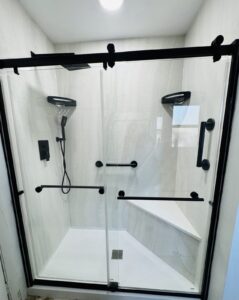
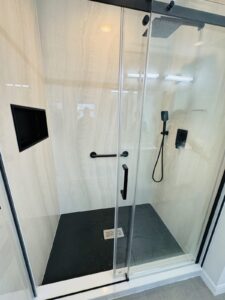
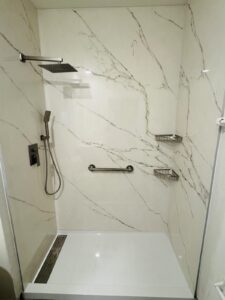
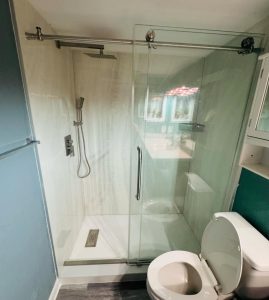
A walk-in shower can make a bathroom feel larger and more current. Frameless or clear glass, a low or curbless entry, and clean wall surfaces photograph well in listings. For buyers who plan to stay in the home for years, a step-over-free entry is also a practical feature as they get older. We cover the day-to-day advantages in Top Benefits of Walk-In Shower Conversions vs. Traditional Bathtubs.
An old, stained, or cracked tub does the opposite. Buyers see it as a project they will have to pay for, and they may price that into their offer.
When Keeping the Tub Is the Smarter Move
A conversion is not always right. Keep or replace the tub if:
- It is the only tub in the home and your neighborhood skews toward young families.
- You plan to sell within a year or two and the existing tub is in good shape.
- The bathroom is a hall bath that kids will use. A tub with a shower over it covers both needs.
In those cases, a new tub or a tub-shower replacement can refresh the room without removing the option. Our guide to choosing between bathtub replacement and conversion walks through that decision.
Ways to Protect Resale Value When You Convert
- Keep a tub in at least one bathroom. This is the simplest hedge.
- Choose durable, neutral finishes. Timeless colors and a quality wall system age better than trendy ones.
- Do the work properly. Poor waterproofing, a weak shower pan, or sloppy sealing shows up in a buyer’s home inspection. A clean, professional install is part of the value.
- Keep your paperwork. Receipts, product details, and warranty information help a buyer trust the work.
- Ask a local agent. A real estate agent who sells in your neighborhood can tell you what buyers there are asking for right now. That is more reliable than any national average.
What About Safety and Aging in Place?

Falls in the bathroom are a common worry for older adults, and a low-threshold shower with grab bars and a built-in bench makes daily life easier. That has value to the right buyer, and it has value to you while you live there. If you are staying put, comfort and safety are often the best return you will get. See walk-in showers in small bathrooms for ideas that work in tight spaces.
How Long Does a Conversion Take?
For a wet-area replacement in the existing footprint, Next Level Shower & Bath completes most projects in as little as 48 hours. Moving plumbing or changing the layout takes longer. Details are in Is a 48-Hour Bathroom Remodel Too Good to Be True?
Frequently Asked Questions
Does removing a bathtub lower a home’s value?
Not automatically. It can narrow your buyer pool if it is the only tub in the home. When another tub remains, many buyers see a walk-in shower as an upgrade.
Should I keep one bathtub in the house?
In most cases, yes. Having one tub somewhere in the home keeps the house appealing to families with young children, and it removes the most common objection to a conversion.
Is a tub-to-shower conversion worth it if I plan to sell soon?
If the existing tub is worn or outdated, a conversion can make the bathroom more appealing in photos and showings. If the tub is in good shape and is your only one, talk with a local agent before you decide.
How much does a conversion cost in Tampa?
It depends on the size, materials, and glass. For a breakdown, read How Much Does a Walk-In Shower Cost?
Talk to a Tampa Bathroom Specialist
Not sure whether a conversion makes sense for your home? Learn more about our tub-to-shower conversion service, or call Next Level Shower & Bath at (813) 796-5333 for a free estimate. We will look at your bathroom, explain your options, and tell you honestly if keeping the tub is the better choice.