

A bathtub is one of the most used fixtures in any bathroom, yet it’s often the most overlooked when it comes to maintenance and upgrades. Many homeowners continue using an aging tub long after it has started showing clear signs of damage, wear, or inefficiency. Over time, what may seem like minor cosmetic issues can develop into serious structural problems that affect both comfort and safety.
Understanding the most common bathtub replacement signs can help you decide whether it’s time for a simple repair or a full bathroom upgrade. In many cases, replacing an old tub is not just about appearance—it’s about preventing water damage, improving hygiene, and enhancing the overall value of your home. Whether you’re noticing stains, cracks, leaks, or outdated design, recognizing the warning signals early can save you time and money in the long run.
Understanding the Natural Lifespan of a Bathtub
Every bathtub has a limited lifespan depending on its material, usage, and maintenance. For example, an acrylic bathtub lifespan typically ranges between 10 to 15 years, while fiberglass tubs may show noticeable deterioration even earlier if not properly maintained. Cast iron tubs can last much longer, but even they are not immune to wear and structural issues.
Over time, daily exposure to hot water, cleaning chemicals, and physical impact contributes to bathtub wear and tear signs that gradually become more visible. Small surface scratches may turn into deeper cracks, and once-protective coatings begin to fade, making the tub more prone to staining and damage.
If your bathtub is reaching or exceeding its expected lifespan, it becomes important to evaluate whether continued repairs are worthwhile or if a full replacement is the smarter long-term solution.
Common Signs You Need a New Bathtub
One of the most important steps in bathroom maintenance is recognizing early signs you need a new bathtub. Many homeowners ignore these indicators until the damage becomes severe.
Cracks in the tub surface are one of the most obvious warnings. Even small cracks can allow water to seep underneath, leading to structural issues beneath the flooring. Another common issue is persistent staining that no amount of cleaning can remove. This is often a sign of worn enamel or porous material that has absorbed years of moisture and chemicals.
You may also notice rough or peeling surfaces, which are clear bathtub surface damage symptoms. These not only make the tub uncomfortable to use but also indicate that the protective layer has broken down.
If your bathtub feels unstable, makes creaking noises, or has visible discoloration that spreads over time, these are strong tub damage signs home inspectors often point out during property evaluations.
When Repair Is No Longer Enough
Homeowners often wonder about cracked bathtub repair vs replacement. While minor chips or surface scratches can sometimes be repaired, deeper cracks or structural damage usually require a full replacement.
The problem with repairs is that they often address only the surface issue. If water has already penetrated beneath the tub, it can weaken the subfloor and create hidden damage that worsens over time. In such cases, patching the tub may only delay a more expensive repair later.
Replacement becomes the better option when cracks continue to spread, leaks reappear after repairs, or when multiple issues are present at once. A new bathtub ensures a fresh, sealed structure that eliminates the risk of ongoing water intrusion and long-term damage.
Hidden Danger: Bathtub Leaking Underneath
One of the most serious issues homeowners face is bathtub leaking underneath signs that are not immediately visible. Unlike surface damage, leaks beneath the tub can go unnoticed for months.
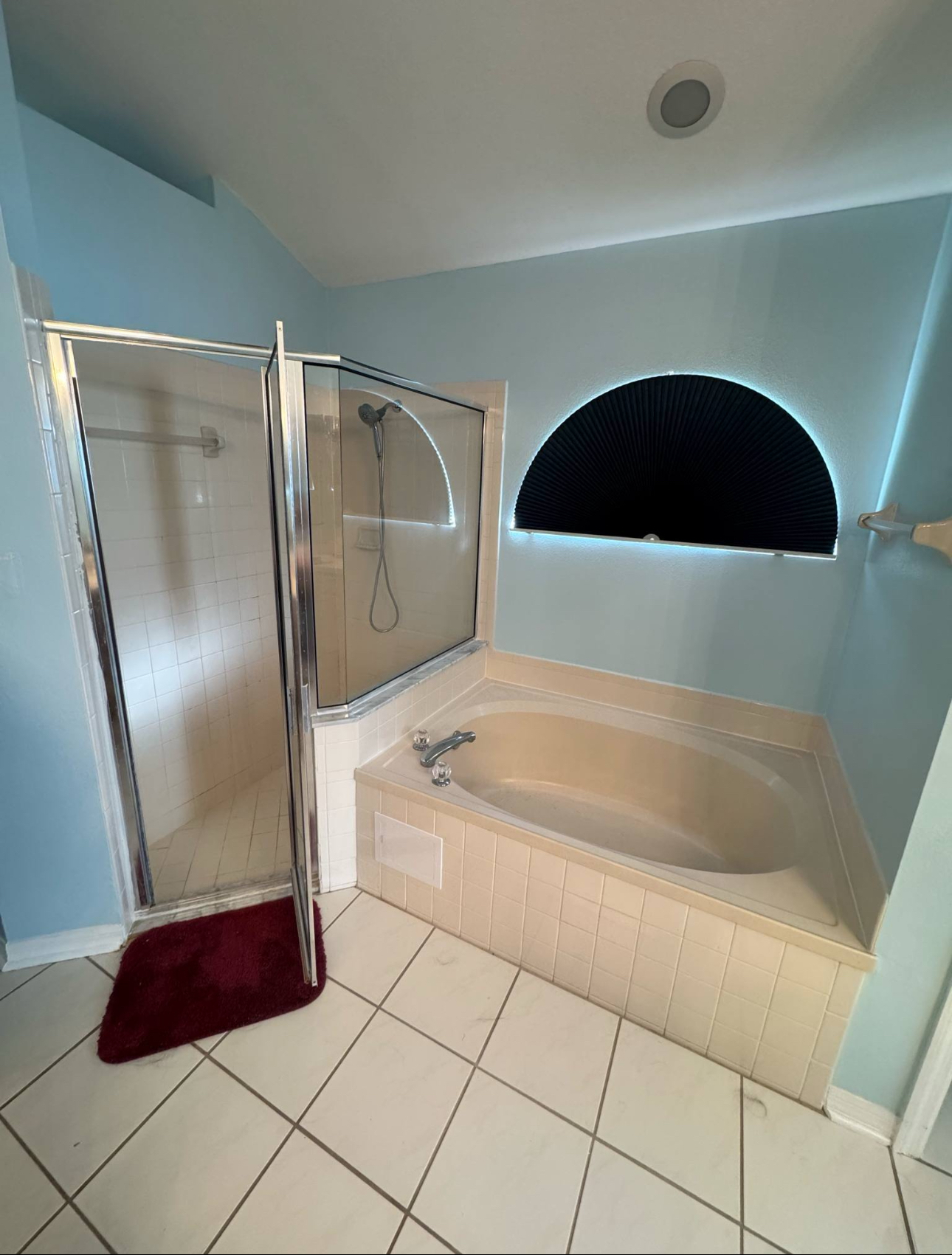
You may first notice soft flooring near the bathtub, unexplained water stains on the ceiling below, or a musty smell in the bathroom. These symptoms indicate that water is escaping from the tub base and damaging surrounding structures.
If left unaddressed, this type of leakage can lead to mold growth, wood rot, and costly structural repairs. At this stage, replacing the bathtub is often the safest and most cost-effective solution, as repairing the leak without addressing the damaged tub may only provide a temporary fix.
Stains, Outdated Design, and Aesthetic Decline
Over time, bathtubs can become heavily stained due to mineral deposits, hard water, and aging materials. Even deep cleaning may not restore their original appearance. This is where stained bathtub replacement becomes a practical consideration.
Beyond stains, many homeowners also struggle with outdated bathtub replacement cost concerns when their bathroom no longer matches modern design standards. Older tubs often look worn out, discolored, or simply out of style compared to today’s sleek and functional designs.
A bathroom renovation bathtub upgrade not only improves visual appeal but also increases comfort and functionality. Modern bathtubs are designed with better materials, easier maintenance, and improved water efficiency, making them a valuable long-term investment.
Repair vs Replacement: Making the Right Decision
Choosing between repair and replacement depends on the severity of the damage, the age of the tub, and your long-term renovation goals.
If the issues are minor and isolated, such as a small chip or surface scratch, repairs may be sufficient. However, when multiple issues exist—such as cracks, leaks, staining, and instability—it becomes more practical to consider full replacement.
In many cases, homeowners discover that repeated repairs cost nearly as much as installing a new bathtub. When this happens, replacement becomes the more logical and financially sound decision.
Timing Your Bathroom Renovation Wisely
Knowing the right bathroom renovation bathtub replacement timing can make a significant difference in cost and convenience. Many homeowners choose to replace their bathtub during a full bathroom remodel, as it allows for better coordination of plumbing, flooring, and design updates.
If your bathroom already requires multiple upgrades, replacing the tub at the same time can reduce labor costs and minimize disruption. It also ensures that all elements of the bathroom work together cohesively, both functionally and aesthetically.
Delaying replacement too long can lead to emergency repairs, especially if leaks or structural damage suddenly worsen.
Why Upgrading Your Bathtub Improves Your Home
Replacing an old bathtub is more than just a cosmetic improvement. It enhances safety, prevents water damage, and increases overall property value. Modern tubs are designed with durable materials that resist staining, cracking, and wear much more effectively than older models.
A new bathtub also improves daily comfort. Whether you prefer long relaxing baths or quick showers, a properly installed modern tub provides better functionality and efficiency.
From a resale perspective, updated bathrooms are one of the strongest selling points for potential buyers, making bathtub replacement a smart investment in your home’s future.
Conclusion
Recognizing bathtub replacement signs early can save homeowners from costly repairs and unexpected water damage. Whether it’s cracks, stains, leaks, or general wear and tear, these issues should not be ignored. Understanding when to replace a bathtub ensures that your bathroom remains safe, functional, and visually appealing.
While some minor problems can be repaired, widespread damage or outdated fixtures often make replacement the better long-term solution. Upgrading your bathtub not only improves daily comfort but also enhances the overall value of your home.
If you are noticing any of these warning signs and are considering a bathroom upgrade, professional help can make the process smooth and efficient.
For expert bathroom remodeling and bathtub replacement solutions, contact Next Level Shower & Bath LLC to transform your bathroom into a modern, safe, and beautiful space built to last.